What Is the Meaning of an Anion Gap of 30 Mean?
What’s an Anion Gap and How Is It Calculated?
The anion gap is a measurement derived from a basic blood chemistry test that assists clinicians in evaluating acid-base balance. It is commonly calculated from an electrolyte panel using the main measured ions sodium, chloride, and serum bicarbonate. In its most basic form, the formula is:
Anion gap = sodium − (chloride + serum bicarbonate)
An Anion Gap Calculator applies that formula automatically so the result can be interpreted quickly and consistently. This is especially useful when reviewing lab results that suggest an elevated anion gap or possible acid-base disturbance.
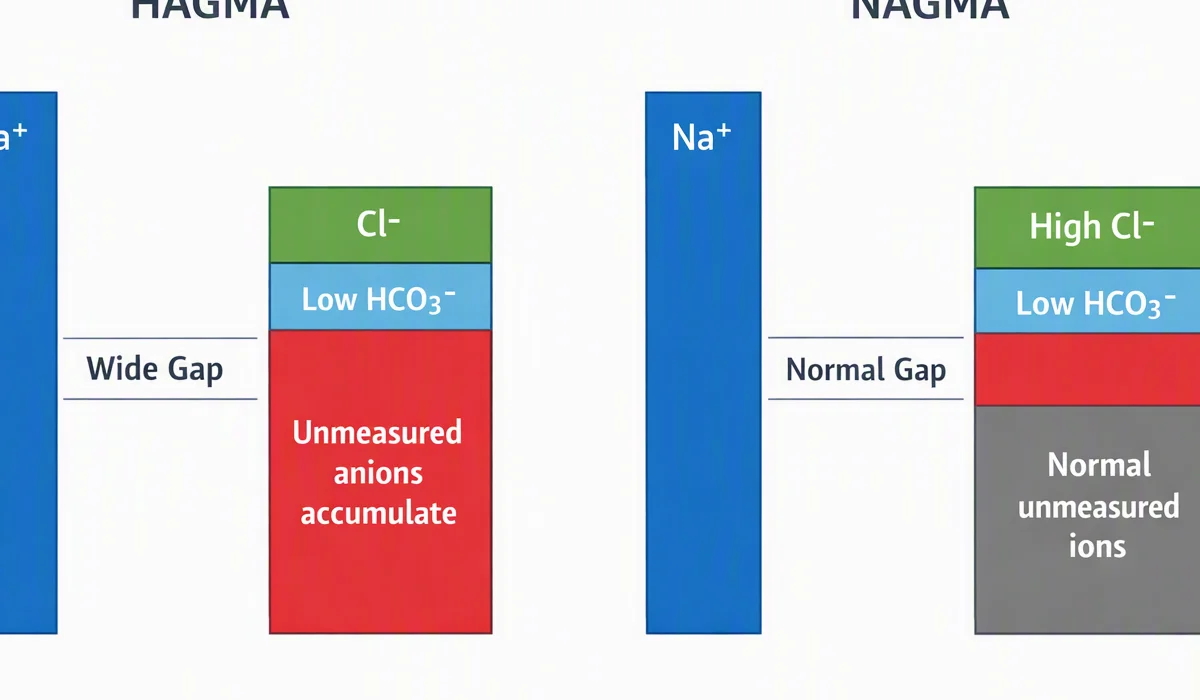
Why does this matter? Because the body contains ions, or ions, and not all of them are directly measured on routine testing. The gap reflects the presence of unmeasured anions such as lactate, ketones, and certain toxins. When the gap rises, it can point to acid accumulation from an underlying metabolic problem or another serious process.
While the calculation itself is simple, interpretation is not always easy. The number must be understood alongside symptoms, the rest of the lab chemistry, and the patient’s overall acid-base balance.
What Does an Anion Gap of 30 Mean?
An anion gap of 30 is usually viewed as markedly elevated and is often seen with high anion gap metabolic acidosis. Most labs list a normal anion gap range that is much lower than 30, although the exact reference interval changes with lab method and whether potassium is included. In practical terms, a result of 30 is clearly abnormal.
Clinically, a gap this high suggests a significant accumulation of unmeasured acids in the blood. That makes it a clinical significance finding rather than just a number on a report. If the patient also has a low serum bicarbonate, the concern for true metabolic acidosis increases.
An elevated gap does not diagnose a cause by itself, but it narrows the differential diagnosis. It often points toward conditions that lead to acid buildup or reduce acid clearance. The result should be interpreted in context with other values, especially bicarbonate, chloride, sodium, albumin, and the patient’s symptoms.
In short, an anion gap of 30 usually means there is a meaningful acid-base problem that deserves timely follow-up and follow-up. It is not a result to ignore, even if the person feels only a bit sick.
Common Causes of a Increased Anion Gap
Several conditions can produce a elevated anion gap. The most frequent include lactic acidosis, ketoacidosis, kidney failure, and toxic alcohol ingestion. These conditions are important because they can worsen rapidly and may call for immediate treatment.
Lactic acidosis occurs when lactate accumulates faster than the body can remove it. This can occur with reduced oxygen delivery, severe infection, shock, seizures, or heavy physical stress. Because lactate is an unmeasured anion, it raises the gap and indicates a serious shift in metabolism.
Ketoacidosis arises when the body burns fat for power and produces ketones. The most well-known form is diabetic ketoacidosis, but it can also occur with prolonged fasting, heavy alcohol use, or https://anion-gap-guide707.theglensecret.com/using-an-anion-gap-calculator-with-lab-results major illness. In this setting, the elevated anion gap often indicates both acid buildup and low bicarbonate.
Kidney failure can raise the gap because impaired kidneys cannot clear acid well. As kidney function declines, acids build up in the bloodstream, leading to metabolic acidosis.
Toxic alcohol ingestion is another serious concern. Substances such as methanol, ethylene glycol, or related alcohols can generate acids after metabolism. This type of poisoning is dangerous and can demand prompt treatment.
Other causes exist as well, including medication effects and less common metabolic conditions. For this reason, the root cause must be identified rather than assuming one explanation from the number alone.
Manifestations That Can Develop Along With a High Anion Gap
The symptoms depend on what is causing it and severity of the metabolic acidosis. Some people have nonspecific symptoms, while others develop severe emergency symptoms. Typical symptoms include nausea, vomiting, abdominal pain, weakness, confusion, shortness of breath, and fatigue.
Dehydration may occur with the elevated gap, especially in ketoacidosis or severe illness. Dehydration can reduce the body’s ability to maintain normal circulation and acid-base balance, making the patient feel worse and potentially causing more lab abnormalities.
Since the body tries to compensate for acidosis, breathing may become deep and rapid. This is the body’s attempt to decrease acid load by lowering carbon dioxide. In some cases, the patient may appear agitated or confused due to the change in acid-base balance.
More severe symptoms can include drowsiness, reduced responsiveness, chest discomfort, or a very ill appearance. These signs are red flags that the situation may be more than a lab abnormality and could represent a medical emergency.
If symptoms are progressing, especially with vomiting, altered mental status, trouble breathing, or marked weakness, the abnormal result should be treated as urgent until a clinician confirms otherwise.
How Physicians Verify the Cause
Doctors use additional evaluation to interpret the elevated gap and identify the origin of the problem. One of the key studies is an arterial blood gas, which helps check pH, carbon dioxide, and the extent of acidosis. This test offers a more detailed picture of acid-base status than the anion gap alone.
A repeat electrolyte panel is often ordered to confirm the value and review trends in sodium, chloride, and serum bicarbonate. A panel can also show whether the bicarbonate is low enough to support true metabolic acidosis.
Albumin is also important because low levels can affect how the gap is interpreted. Since albumin is a negatively charged protein, changes in albumin can alter the apparent gap and mask or overstate the abnormality.
Doctors also review renal function tests, such as creatinine and blood urea nitrogen, to see whether decreased kidney clearance may be contributing. Additional tests may include serum lactate, ketones, glucose, toxicology screening, and imaging if another illness is suspected.
By combining the initial lab with the rest of the clinical picture, doctors can interpret lab results more accurately and move toward the correct diagnosis.
The Importance of Albumin Plays a Role When Interpreting the Result
Albumin has a significant role in blood chemistry because it is one of the chief unmeasured anions in the bloodstream. If albumin is low, the measured anion gap may look smaller than it truly is. That means a person can have a serious acid-base problem even when the reported number seems less dramatic.
That is why clinicians often use albumin correction when assessing lab results. A corrected value can show hidden unmeasured anions and improve the precision of the assessment. In other words, albumin helps explain why two people with the same gap may not have the same clinical situation.
An Anion Gap Calculator is valuable here if it includes albumin correction or supports interpretation alongside albumin levels. Without that context, a raw number can be inaccurate. This is especially true in very sick patients, people with poor nutrition, liver disease, or prolonged illness.
Albumin does not account for every elevated gap, but it can influence the measurement enough that clinicians should always review it when the result seems unexpected or when the clinical picture and lab result do not match.
When an Anion Gap of 30 Requires Immediate Care
An anion gap of 30 can be a serious lab value, especially if it is paired with symptoms or a low bicarbonate. The concern is not the number alone but what it could mean: significant metabolic acidosis from a condition that needs urgent treatment.
Urgent medical evaluation is especially important if there is concern for diabetic ketoacidosis, poisoning, severe illness, or rapidly worsening kidney issues. These conditions can become dangerous quickly and may require hospital-based treatment, monitoring, and sometimes intravenous medications or intravenous fluids.
Emergency care is warranted if the person has confusion, severe weakness, rapid breathing, persistent vomiting, fainting, chest pain, or signs of shock. These are urgent warning signs that suggest the body is struggling to maintain normal acid-base balance and circulation.
Even if symptoms are mild, a result this high should not be assumed to be harmless. A clinician should identify the reason, check for other abnormal findings, and decide whether immediate treatment or close monitoring is needed.
If the result comes from an outpatient test or routine screening, it still deserves prompt follow-up because the underlying cause may be serious and time-sensitive.
FAQ: Anion Gap of 30
Might an anion gap of 30 dangerous?
Yes, it can be dangerous because an anion gap of 30 often suggests significant metabolic acidosis and a potentially serious underlying cause. The level of danger depends on signs, bicarbonate, pH, and the reason the gap is elevated. If the person feels unwell or has breathing changes, confusion, or vomiting, quick medical evaluation is important.
Which conditions can cause an anion gap of 30?
Common causes include lactic acidosis, ketoacidosis, kidney failure, and toxic alcohol ingestion. Other causes may include severe illness, certain medications, and less common metabolic disorders. The exact underlying cause is determined by other labs, symptoms, and history.
Can fluid loss cause a high anion gap?
Dehydration can contribute to a high anion gap indirectly, especially if it worsens kidney perfusion or occurs with vomiting, poor intake, or ketoacidosis. Dehydration alone is not always the full explanation, but it can make an existing problem worse and intensify acid buildup.
Can a high anion gap always mean acidosis?
Not necessarily, but it often suggests acidosis or a process that may lead to acidosis. That is why clinicians look at the full acid-base picture, including serum bicarbonate and often an arterial blood gas. The anion gap is a clue, not the whole diagnosis.
Do I need to go to the ER for an anion gap of 30?
If the result is confirmed and especially if there are emergency symptoms such as shortness of breath, confusion, persistent vomiting, severe weakness, or concern for poisoning or diabetic ketoacidosis, then emergency care is appropriate. An Anion Gap Calculator can help calculate the number, but it cannot replace a clinician’s judgment or the need for urgent medical evaluation when the situation looks serious.