Can Exercise Raise the Anion Gap?
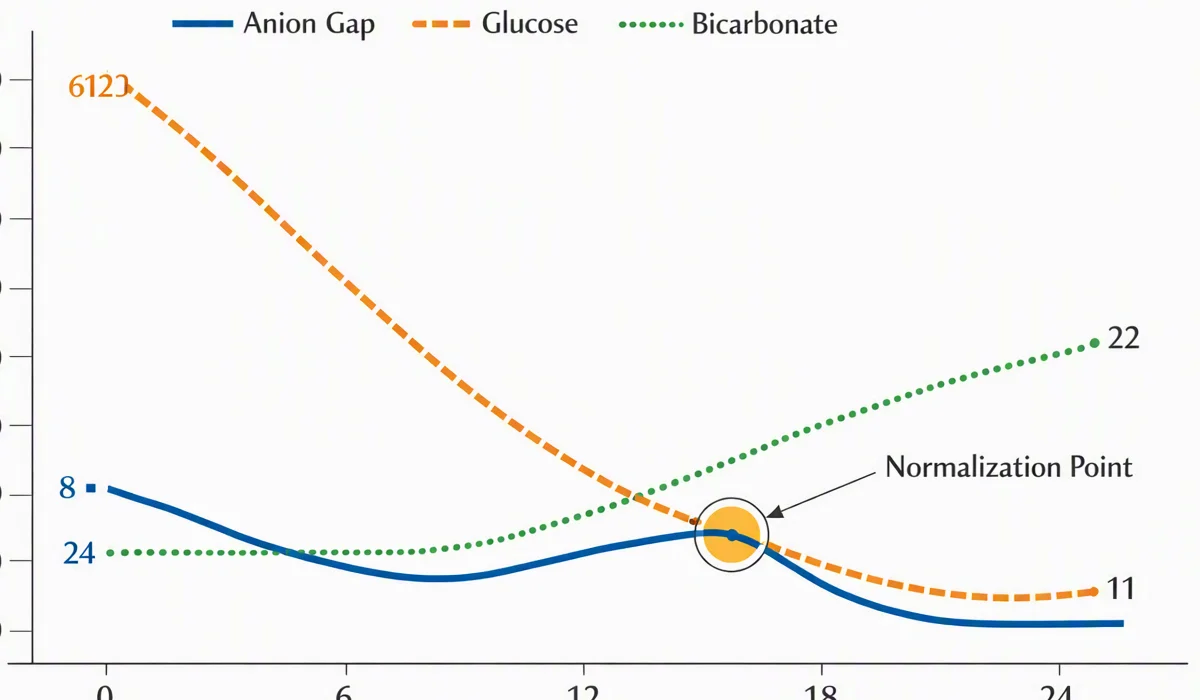
How the Anion Gap Is Measured
The anion gap is a value used to aid interpret electrolytes on a blood test. It calculates the discrepancy between recorded positively charged and negatively charged ions in the blood, which helps clinicians evaluate acid-base balance. The most common inputs are sodium, chloride, and bicarbonate, with potassium at times included depending on the formula.
Although the anion gap does not measure a specific disease, it can indicate an imbalance caused by acids or other metabolic byproducts. A higher value can suggest an elevated anion gap, which often means there is extra acid in the system. A normal result does not always rule out illness, but it does offer important diagnostic context when reviewing lab results.
In simple terms, the anion gap reflects the relationship between the major ions in the bloodstream. If the balance changes because of acid accumulation, changes in albumin, or other factors, the calculation changes too. That is why the number is helpful in identifying a possible electrolyte imbalance or a problem affecting overall chemistry.
How an Anion Gap Calculator Works
An anion gap calculator is a tool that draws on values from a blood chemistry or testing panel to approximate the anion gap fast. Most calculators use sodium, chloride, and bicarbonate, and some also allow potassium to be included. The calculator is not a final diagnosis by itself; it is a way to organize the numbers so you can better interpret the lab value in relation.
The common formula is built on the relationship between measured cations and anions. In routine use, the calculator helps identify whether the result is within the expected reference range or whether it suggests a possible abnormal result. This becomes especially helpful when someone is assessing symptoms, discussing an underlying cause, or reviewing a recent blood draw with a clinician.
Because many calculators do not account for all variables, the output should always be considered with the rest of the blood chemistry panel. For example, a low albumin level can make the anion gap appear lower than expected, while changes in bicarbonate can alter the result significantly. Good interpretation depends on the entire clinical picture, not the calculator alone.
In practice, the anion gap calculator is most useful as a initial review and explanation tool. It can help you pose the right questions about acid levels, fluid status, and whether further testing is needed. It also supports better communication when a clinician reviews lab results and decides whether a change is likely benign or meaningful.
Can Physical activity Raise the Anion Gap?
Certainly, physical activity can increase the anion gap briefly, especially during high-intensity workouts. The main reason is higher production of lactate-related acid and its corresponding form, lactate. When the body works at a higher effort than oxygen delivery can match, it relies more on anaerobic metabolism, which produces more metabolic waste.
This is a typical normal reaction to strenuous exertion. During hard workouts, sprinting, interval training, or other demanding activity, activity-related lactate may increase. That increase can contribute to a short shift in pH balance and a slight temporary increase in the anion gap. In some cases, the change is part of anticipated exercise physiology rather than a sign of disease.

That said, exercise-related acid accumulation is usually temporary. The body clears lactate through recovery processes, improved oxygen delivery, and metabolic processing in the liver and other tissues. Once the workout stops and rest and recovery begin, the anion gap generally trends back toward baseline unless another condition is present.
It is important to distinguish ordinary exercise effects from true metabolic acidosis. Severe or persistent acidosis is not expected from routine exercise alone. If an elevated result remains after recovery or is paired with concerning signs, it may suggest a different deeper cause rather than simple exertion.
When Activity-Related Variations Are Expected vs Worrisome
Not each post-workout change is concerning. A mild shift in acid levels after intense activity can arise with intense exercise, notably if the effort was brief and explosive. This kind of temporary acid-base changes pattern usually resolves with hydration, rest, and time.
Dehydration can render the situation more noticeable. When fluid losses are marked, blood becomes more concentrated, and lab values may appear altered. Dehydration does not usually cause major acid problems on its own, but it can add to a higher measured anion gap or make an existing abnormality easier to detect.
Normal exercise-related shifts tend to improve during recovery. If symptoms resolve and energy returns, the body is likely readjusting well. In contrast, persistent fatigue, worsening breathing, or a result that stays elevated after recovery can point to more than just exertion. The clinical question is whether the lab shift aligns with the intensity of the workout and the timing of the blood draw.
A useful way to view this is whether the lab result fits the story. If someone had hard training, mild dehydration, and a short-lived rise in lactate, the anion gap may show a mild transient change. If the number is unexpectedly high, or the patient feels unwell, the result deserves closer review in the broader diagnostic context.
Other Common Reasons of an Raised Anion Gap
Working out is only one potential cause for an elevated anion gap. Several medical disorders can cause a more serious acid buildup. https://anion-gap-calculation.com/causes/normal.html One primary cause is kidney failure, where the body cannot clear acids effectively. As acids build up, the anion gap can rise and suggest a significant problem with waste removal.
Diabetic ketoacidosis is another important cause. In this condition, the body breaks down fat for fuel and produces ketones, which are acidic. The result can be a elevated anion gap and clear metabolic disturbance. This condition is a medical emergency and usually comes with symptoms that are more intense than typical exercise-related changes.
Sepsis can also increase the anion gap because serious infection can affect circulation, oxygen delivery, and metabolism. As tissues become stressed, lactate may rise for reasons unrelated to exercise. In this case, the elevated number reflects a much broader illness requiring urgent medical evaluation.
Toxic ingestion, including toxic alcohols, is another classic cause. Certain poisons create acids or interfere with normal metabolism, leading to a dangerous increase in the gap. This is one reason clinicians take an unexpected abnormal result seriously, especially when it is paired with altered mental status or other alarming findings.
These causes matter because an elevated value is not specific to one problem. The same lab pattern can reflect exercise, illness, poisoning, or organ dysfunction. That is why clinicians review the entire set of lab results, the patient’s story, and the presence of other signs before deciding what the result means.
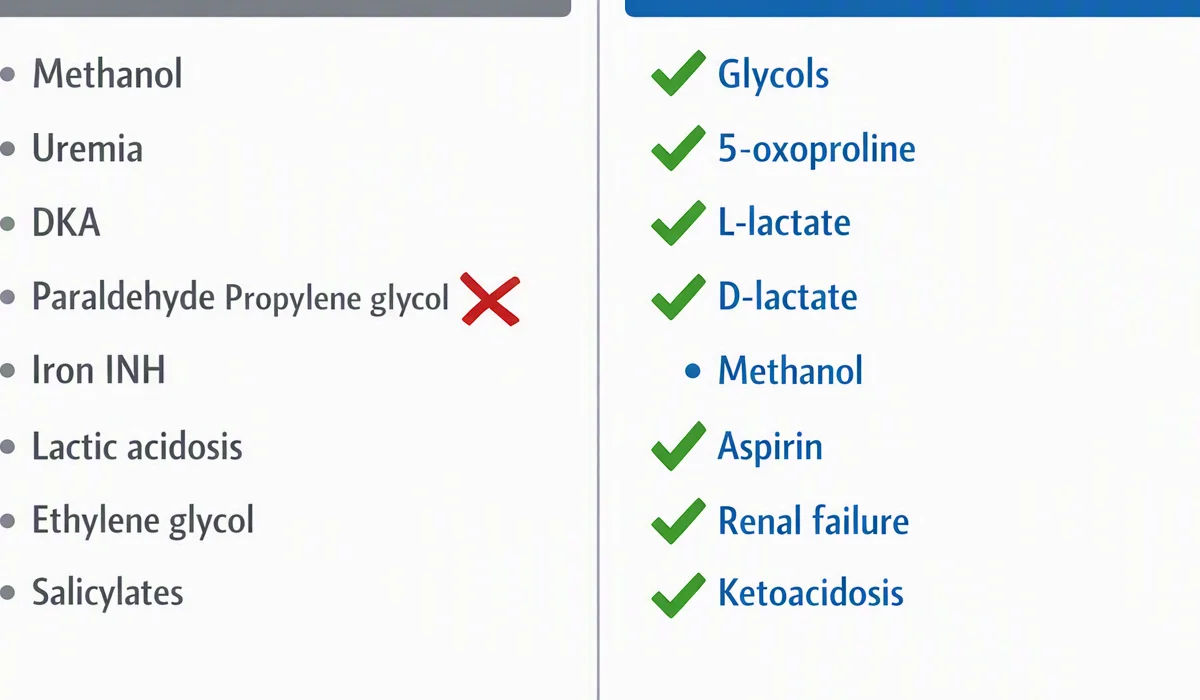
How to Understand Results with Your Lab Values
To interpret an anion gap properly, you need to look at the full set of test results, not just one number. The key pieces include sodium, chloride, bicarbonate, and often albumin. As albumin has a negative charge, a low albumin level can make the anion gap appear reduced than it truly is.
This is where the corrected anion gap proves helpful. If albumin is low, the corrected value adjusts for that deficiency so the clinician can judge the true acid-related burden with greater accuracy. Without this correction, a patient may appear to have a normal anion gap even when an acid problem is present.
The expected range can vary a bit depending on the lab and on whether potassium is part of the formula. This means a result should always be interpreted according to that particular lab’s standards rather than a general cutoff. A number just outside the range may not mean much unless it aligns with the overall clinical picture.
It is also useful to compare the value with current trends. One temporary shift after exercise may not mean much if it normalizes later. But if the reading continues to be high or rises over time, it may suggest an continuing underlying cause. In other words, one isolated lab value is less informative than the trend over time.
In reviewing a blood test, it is useful to ask whether there is a simple explanation for the value. Was the sample drawn after vigorous exercise? Was there lack of fluids? Is albumin decreased? Are there signs of illness? These questions improve understanding and assist in determining the practical significance of the result.
When to Pursue Medical Review
Every elevated result should be considered in light of the individual’s general condition. If the abnormality appears following a workout but there are no concerning issues, it may simply reflect temporary physiology. However, certain symptoms point to the need for quick assessment.
Shortness of breath can be a red flag, especially if it is more than expected for exercise recovery. Confusion, severe weakness, fainting, vomiting, or a decline in alertness also warrant attention. These symptoms can point to a major acid-base disorder, infection, or another urgent medical problem.
Chest pain should never be ignored. While exercise can cause muscle soreness and fatigue, chest pain with an abnormal lab pattern needs careful evaluation. It could reflect heart-related illness, low oxygen delivery, or another serious condition that is unrelated to normal exercise physiology.
If the anion gap remains elevated after rest and hydration, or if it is paired with worsening symptoms, medical review is recommended. The goal is to rule out conditions such as diabetic ketoacidosis, kidney disease, sepsis, or toxic ingestion. A clinician can decide whether repeat testing, additional blood work, or urgent treatment is needed.
As a general rule, exercise alone should not cause ongoing illness. A brief rise during hard effort can happen, but persistent abnormalities deserve a more careful look. If there is uncertainty, a clinician can help interpret the result in the correct diagnostic context.
FAQ About Exercise and the Anion Gap
Can exercise increase the anion gap temporarily?
Yes. Intense exercise can trigger a temporary increase in the anion gap because working muscles produce more lactic acid and lactate. This is usually a short-lived physiologic response that resolves with rest and recovery.
Why can hard exercise increase lactate and change the anion gap?
During intense exercise, oxygen delivery may not fully keep up with demand, so the body relies more on anaerobic metabolism. That leads to exercise-induced lactate production and more acid buildup. The added acid can influence acid-base balance and raise the anion gap on a blood test.
How long does this exercise-related change usually persist?
It usually lasts only until the body clears the lactate and restores balance. For most people, the change improves during recovery and after hydration and rest. If the value stays elevated, a repeat testing or broader medical evaluation may be needed to look for another cause.
Can dehydration after exercise affect the anion gap?
Yes. Dehydration can make blood chemistry values look more concentrated and may contribute to an apparent shift in the anion gap. Dehydration can also make exercise harder on the body and may worsen electrolyte imbalance, so it is an important factor when reviewing lab results.
When should an elevated anion gap after exercise be checked by a doctor?
It should be checked if it does not return to normal after recovery, or if it occurs with concerning symptoms such as shortness of breath, confusion, or chest pain. It also needs prompt review if there is concern for diabetic ketoacidosis, kidney disease, sepsis, or toxic ingestion. An anion gap calculator can help organize the numbers, but it does not replace a clinician’s interpretation of the full blood test and the patient’s condition.